0%
Establishing Position
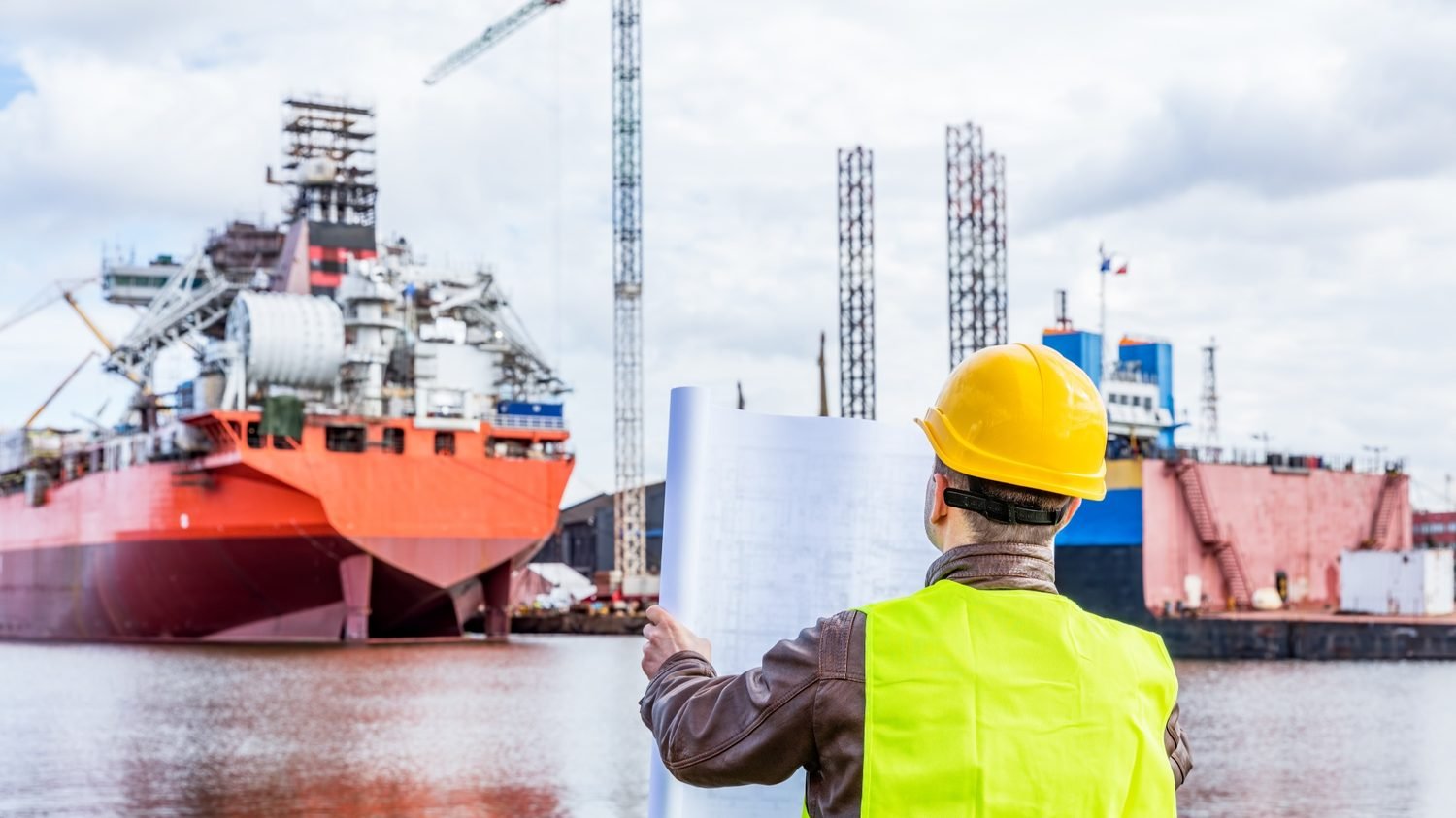
Vessel in dry dock during structural work
Cargo Vessel ↔ Livestock Carrier Conversion

Cargo vessel and
livestock carrier conversion.

Engineering, steelwork and project coordination for the safe change of a vessel's operational purpose — in both directions, and always through the proper approvals.

Discuss a Vessel Conversion Both Directions
01 — What This Is

A structural project,
not a refit.

Changing what a ship carries changes her structure, stability, ventilation, power and safety systems. We manage that as an engineering project: surveyed first, designed properly, approved by the right authorities, then built and tested.

SEA ARK carries out the inspection, engineering coordination, steel fabrication, mechanical, electrical, ventilation and piping works, and runs the project through to testing and handover.

Where authority sits

The project is coordinated with qualified naval architects, the vessel's classification society, the flag administration and the relevant authorities as required. SEA ARK does not act as a classification society and does not issue classification approval. Design and structural approvals remain with class and flag.
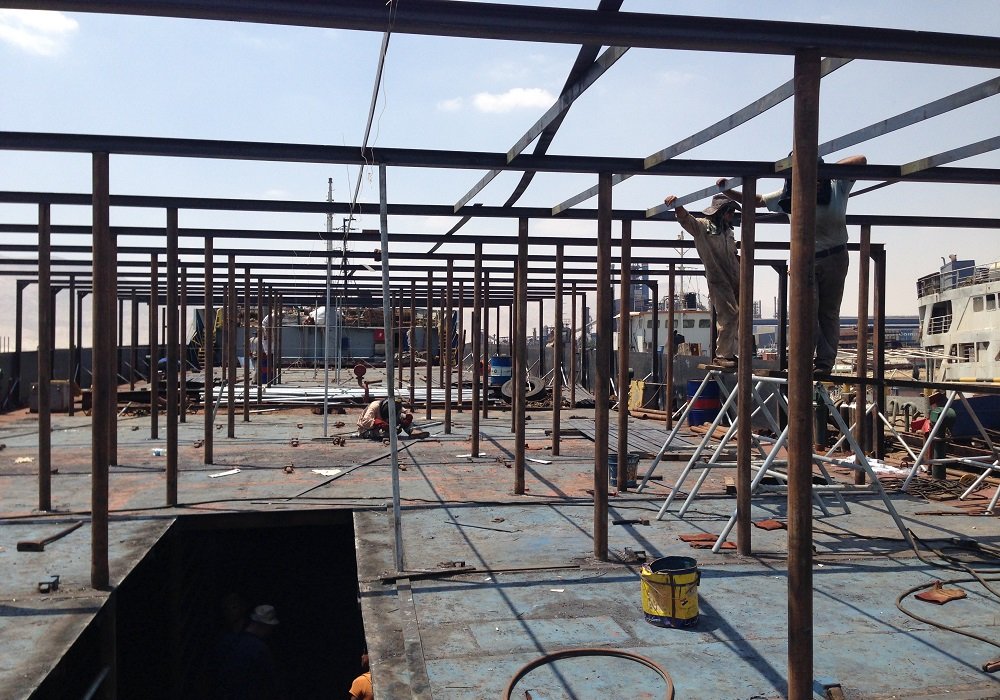
Steel framework installation inside the hold during a livestock carrier conversionSteel fabrication & installation
02 — Scope of Works

Both directions,
fully covered.

Final scope always depends on the vessel. These are the work packages a conversion typically includes.
Direction A

Cargo Vessel → Livestock Carrier

  • Initial vessel inspection and condition assessment
  • Conversion feasibility review and review of available drawings
  • General-arrangement development, capacity and deck-layout planning
  • Structural-strength review, stability and weight assessment
  • Permanent or removable livestock decks
  • Pens and containment arrangements, accessways and loading ramps
  • Ventilation and lighting systems
  • Feed storage and distribution arrangements
  • Fresh-water storage and distribution; potable-water production where applicable
  • Drainage and waste-management arrangements
  • Main and emergency electrical power
  • Fire detection and firefighting arrangements
  • Crew access and operational safety
  • HVAC and machinery modifications
  • Steel fabrication and installation; piping and pumping arrangements
  • Testing, commissioning, documentation and handover
Direction B

Livestock Carrier → Cargo Vessel

  • Existing-structure inspection
  • Removal of pens and livestock equipment
  • Removal or modification of livestock decks
  • Restoration of cargo spaces and cargo-hold arrangement
  • Steel renewal and structural repairs
  • Hatch, coaming and weather-tightness works
  • Deck-layout restoration
  • Ventilation reconfiguration
  • Electrical-system reconfiguration
  • Drainage and piping modification
  • Cargo gear or deck equipment installation
  • Stability and lightship review
  • Cargo-capacity planning
  • Coating and corrosion-protection works
  • Testing, commissioning and handover
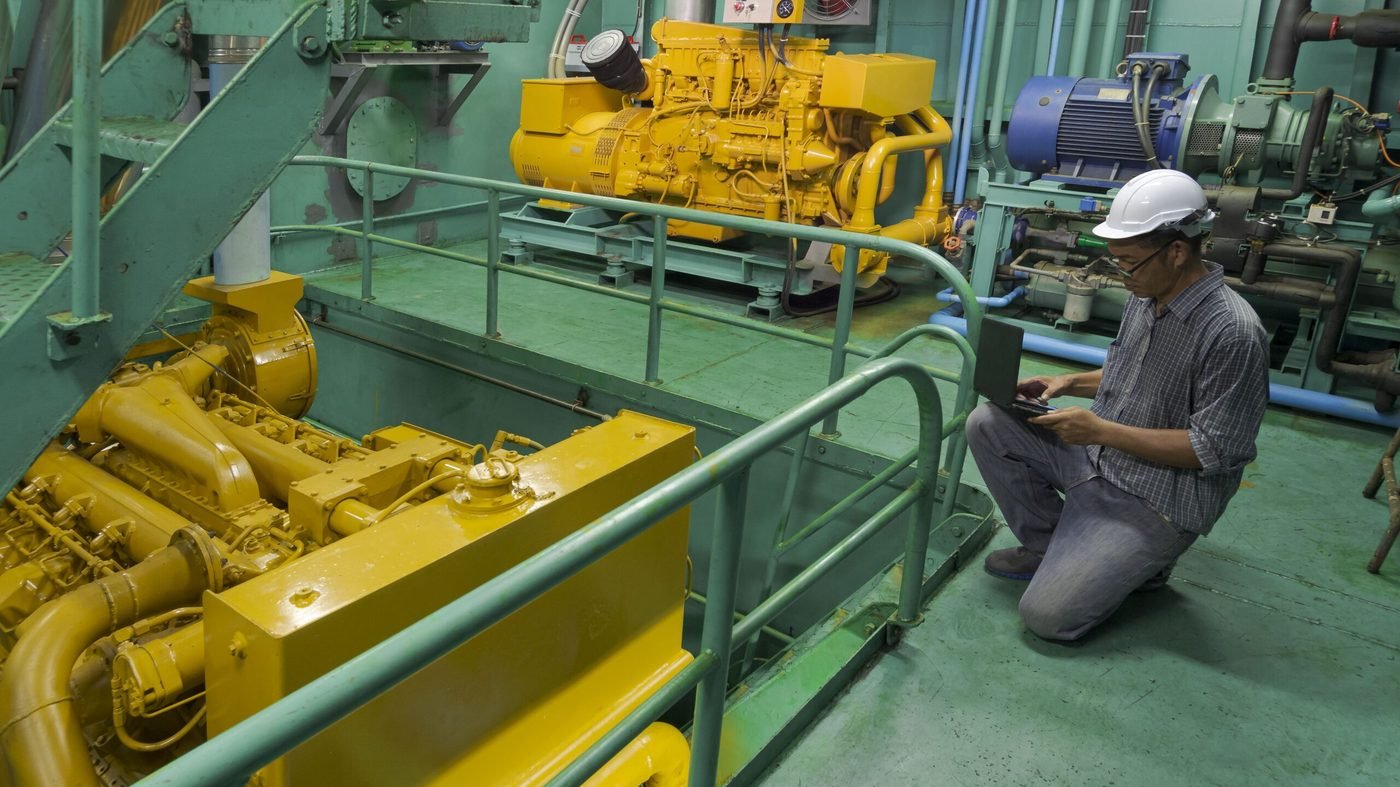
Engineer carrying out an onboard inspectionInspection & document review
03 — Project Process

Eight stages,
documented.

STAGE 01

Vessel Inspection & Document Review

Condition survey on board, plus review of the available drawings, certificates and class records.

STAGE 02

Feasibility Study & Preliminary Scope

Is this vessel a sensible candidate — technically and commercially? An honest answer before money is committed.

STAGE 03

Concept Arrangement & Engineering Coordination

General arrangement, capacities and system concepts developed with qualified naval architects.

STAGE 04

Class & Flag Review / Approval

Submission and follow-up with the classification society and flag administration. Approval rests with them.

STAGE 05

Detailed Work Scope & Planning

Work packages, yard selection, materials, schedule and cost plan.

STAGE 06

Steel Fabrication & Onboard Installation

Decks, pens, foundations and structural renewals fabricated and fitted.

STAGE 07

Testing & Commissioning

Function testing, system trials and attendance for surveys.

STAGE 08

Final Inspection, Documentation & Handover

As-built documentation, manuals and certificates handed over with the vessel.

04 — Before You Commit

What determines the final scope.

No two conversions are the same. The work package — and whether the project makes sense at all — depends on:

Vessel & Regulatory Factors

  • Vessel condition and vessel type
  • Flag administration requirements
  • Classification society requirements
  • Intended trade and route
  • Port-state requirements
  • Applicable livestock-transport and animal-welfare requirements

How We State It Plainly

Livestock-transport rules differ substantially between flag states, importing countries and trades — no single country's livestock regulations apply universally, and the requirements for your intended route are established during the feasibility stage.

Not every cargo vessel is a suitable candidate for livestock conversion — technically or commercially. If the survey says the vessel is wrong for the job, we will tell you that rather than sell you a project.

Start with the survey.

Send us the vessel's particulars and intended trade. We will tell you what the conversion would involve — and whether we think she is the right ship for it.


Discuss a Vessel Conversion Ship Management